Addiction counselling & therapy in Vaughan
You don’t have to face it alone.
Whether it’s alcohol, drugs, gambling or another pattern that has started running your life, we help you understand what’s driving it and build a way out, at your pace and without judgment. In Vaughan and online across Ontario.
Takes 2 minutes. No credit card. No referral needed.
- 24+ Registered PsychotherapistsLook any of us up on the CRPO register
- Direct billing availableSun Life, Beneva, Green Shield
- Evenings and weekendsIn person or online



Addiction isn’t a lack of willpower.
If part of you wants to stop and another part keeps reaching for the same thing, that push and pull is one of the most common parts of addiction, and it makes sense. Addiction often takes hold because a substance or behaviour starts doing a job for you: numbing pain, quieting anxiety, or making a hard day bearable.
Patterns that were learned can be understood, and with support they can change. Counselling is where that work happens: you look at what the addiction has been protecting you from, learn skills for triggers and cravings, and build a life that leans on it less. No lectures, no shame, and no being told what you already know.
Addiction counselling is confidential talk therapy that helps you understand the roots of an addictive pattern, manage triggers and cravings, and build a steadier life. It works alongside any medical care you may need, not instead of it, and you set the goal, whether that’s cutting back or stopping completely.
- Zero judgment, whatever your starting point
- Trauma-informed: we work with the cause, not just the habit
- Private, with online sessions anywhere in Ontario
What has it been like lately?
Tap anything that sounds familiar. None of these means you’ve failed or that something is wrong with you. They’re common, and very workable.
Your safety comes first.
If stopping suddenly could make you physically unwell, or you’re worried about an overdose, get medical help first at the nearest emergency department. We provide counselling, not medical detox, and we can do the deeper work together once you’re safe.
Suicide Crisis Helpline, call or text any time988In an emergency, call 911.
Talk with us about next stepsStart with what you’re noticing.
Tap what sounds familiar, and we’ll suggest a sensible next step.
You’ve noticed 1 thing.
That’s common, and very workable. A free 20-minute consult is a calm, judgment-free way to talk it through, with no pressure to decide anything.
You’ve noticed 3 things.
That’s a lot to carry on your own. You don’t need to wait until things get worse, or have it all figured out, to come. Reaching out early is one of the kindest things you can do for yourself.
Watching addiction take hold of someone you love is its own kind of pain. We support family members too.
Book a free 20-minute consultThis isn’t a diagnosis.
A craving is a wave, not a command.
Cravings can feel like they’ll last forever, but an urge rises, peaks and falls like a wave. Urge surfing is learning to ride it out instead of fighting it or giving in. Step through three familiar moments, and what therapy does with them.
- 1The urge
“It’s been a brutal day. One drink will take the edge off. I’ve earned it.”
- 2UnderneathThis is a craving, not a command.Naming it creates a half-second of space between the urge and your hand. In that space you get to choose: set a timer, breathe slowly, and let the urge rise and crest without acting on it.
- 3The shift
“It passed, and I didn’t have to act on it. That’s one wave I know I can ride.”
- 1The urge
“Everyone here is drinking and I feel like the odd one out. It would be easier to just join in.”
- 2UnderneathThis is social pressure talking, not a need.The discomfort is real, but it’s about belonging, not the substance. A drink of your own in hand, a step outside for air or a text to someone who knows can give the moment ten minutes to settle.
- 3The shift
“The awkwardness faded and I stayed myself. I can be in the room without it.”
- 1The urge
“I can’t switch my brain off. I just want to disappear for a while.”
- 2UnderneathThis is the urge to escape pain, which makes sense.The pull isn’t really about the substance. It’s about wanting relief, and that tells you what needs care: overwhelm, loneliness or exhaustion.
- 3The shift
“What I needed was rest and a bit of comfort, not to numb out. I gave myself that instead.”
- 1The urge
“What does therapy actually do with all this?”
- 2UnderneathWe work with the urge and the reasons under it.You build tools for cravings and triggers around your own life, and you work on the stress, pain or trauma the pattern has been managing. If you slip, we look at what led up to it and adjust, without judgment.
- 3The shift
“The pattern finally makes sense, so I can choose differently more often.”
An illustration of a common pattern, not a real client’s words. Urge surfing is one of several tools you’d build in sessions, around your own triggers rather than a generic list.
Talk it through, free for 20 minutesMeet therapists who work with addiction
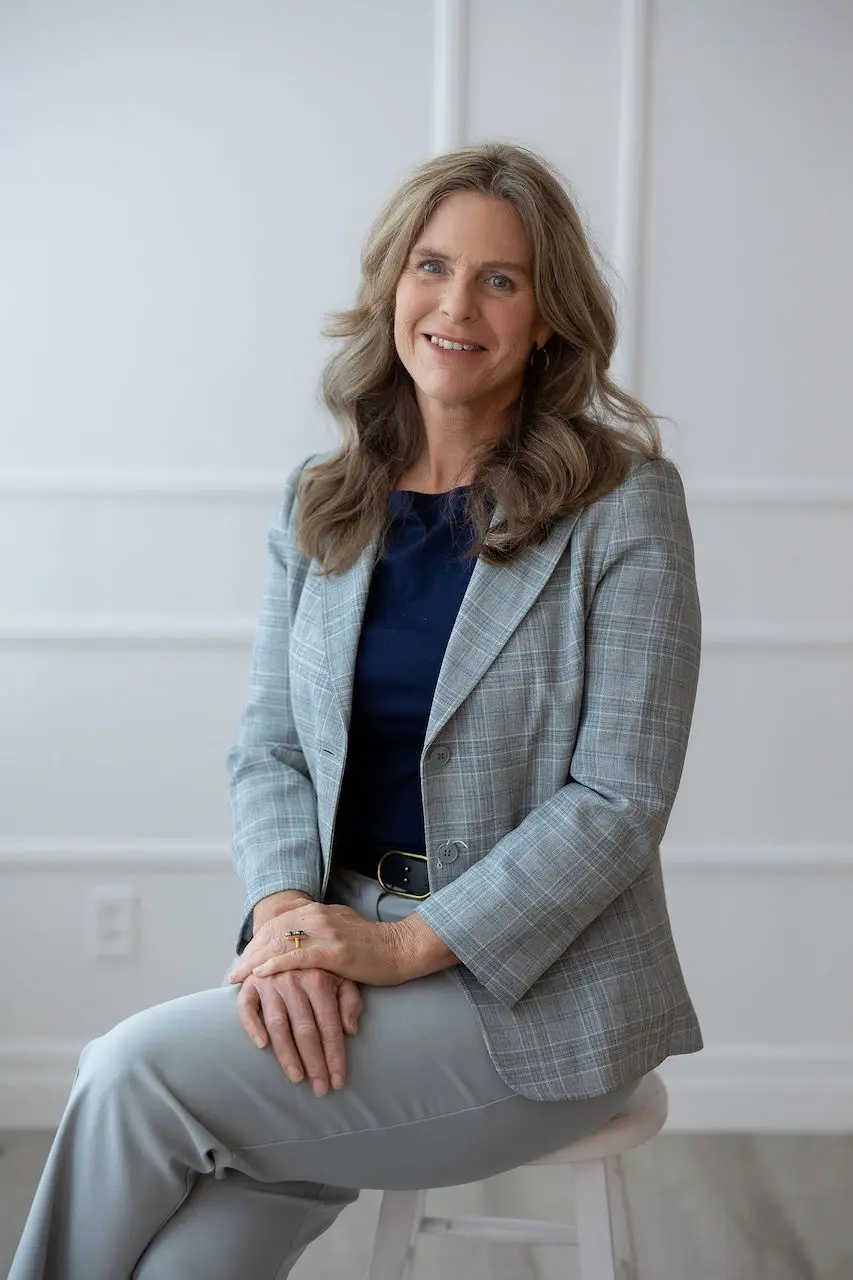
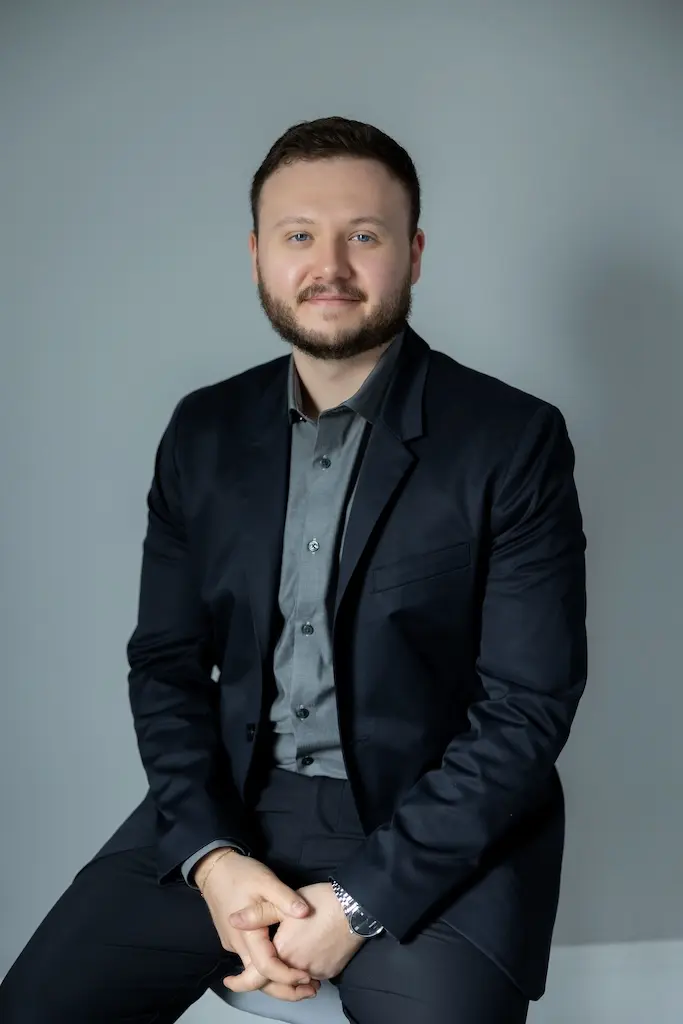
Both are Registered Psychotherapists and trauma-informed, with real experience supporting people through addiction and recovery. Watch a short intro, read their profile, or let us match you in your free consultation.
 Watch intro
Carol McDowell
Registered PsychotherapistCRPO #10937Barrie · Online
Years of volunteer work with individuals and families affected by substance use, through grassroots organizations and treatment centres.
 Watch intro
Cristian Renzi
Registered PsychotherapistCRPO #12088Maple (Vaughan) · Online
Brings experience from inpatient rehabilitation work, drawing on motivational interviewing and relapse prevention, with a special interest in men’s mental health.
Not sure who fits?
Several other therapists also support addiction-related work. Let us match you in your free consultation, and if the fit isn’t right, we’ll help you switch.
Individual counselling, group support, or both.
There’s no single right way to recover. Some people want private one-on-one work, some find strength in a room of people who understand, and many do both.
Individual addiction counselling
Private, focused sessions with a therapist who gets to know your full story, and a plan built around your situation rather than a group curriculum. Individual work starts with a 70-minute initial assessment.
About individual therapyGroup support
A supportive, therapist-led group of people walking the same road, where connection and accountability can make it feel less lonely. A separate group works with trauma and addiction together.
About the recovery support groupWhat your first session looks like
The hardest step is the first one. Your first appointment is a 70-minute initial assessment, and here’s how it tends to go, so nothing about it is a mystery.
- 1Minutes 0 to 15
A judgment-free start
Your therapist welcomes you, explains confidentiality, and makes clear there’s no pressure to share more than you want. You set the pace.
- 2Minutes 15 to 60
Understanding the whole picture
Together you map what the addiction has been doing for you, what tends to set it off, and what you’ve already tried. This is often where the pattern starts to make sense.
- 3Throughout
Your goal, not ours
Cutting back or stopping completely, you define what success looks like. Mixed feelings about change are normal and welcome here.
- 4The last 10 minutes
Leaving with a plan
You agree on what you’re working toward, whether that’s individual sessions, a group or both, and one practical thing to try before next time.
“I’m not here to judge you. I’ve been worried about you, and I’d like to help you find some support.”
Lead with care, not with a list of what’s gone wrong.
When trauma is part of it
Addiction rarely travels alone. It often sits alongside anxiety, low mood or trauma, and we work with the whole picture, not just the habit.
Trauma and PTSD therapyEvidence-based, trauma-informed, and without the lecture.
There’s no single script for recovery. Your therapist draws on evidence-based approaches and tailors them to your goals and your pace. Sessions build toward a plan you can lean on between visits: practical coping tools, a relapse-prevention plan, and a rhythm you can follow.
Motivational, not confrontational
We work with your own reasons for change rather than pushing you. You define the goal, cutting back or stopping.
CBT and relapse prevention
Practical tools to spot triggers, manage cravings and plan for high-risk moments.
More on CBTDBT skills for distress
Ways to ride out intense urges and emotions without acting on them.
More on DBTTrauma-informed at the core
Because addiction so often grows from pain, we work with the cause as well as the behaviour. A dedicated group works with trauma and addiction together.
The PTSD & addiction groupInnerSight was founded by Svetlana Antonyshyn, RP, on the belief that healing should treat the person, not a label. More about our approach.
What the research says
We’ll always be honest about evidence. Addiction is common, recovery is real, and counselling helps on average, though effects vary and no therapist can promise how any one person’s recovery will go.
In Statistics Canada’s 2012 national survey, 21.6% of Canadians aged 15 and older, about 6 million people, had met the criteria for a substance use disorder at some point in their lives.
More than half of people with a substance use disorder have also had mental health problems at some point in their lives, which is why we work with the whole picture.
In a national survey of 855 Canadians in recovery from addiction, 91% rated their quality of life as excellent, very good or good. People chose to take part, so it isn’t a picture of everyone in recovery.
A 2026 review of 52 trials with 9,442 people found CBT helped people cut their substance use compared with usual care or minimal treatment. The average effect was small, and CBT didn’t outperform other evidence-based therapies.
InnerSight is not a medical detox or withdrawal management service, and our Registered Psychotherapists do not diagnose or prescribe. If stopping could be physically dangerous, we’ll help you connect with medical care first, then support the emotional work alongside it or after.

Clinically reviewed by Svetlana Antonyshyn, Registered Psychotherapist (CRPO #001652). Last reviewed October 2026.
What addiction counselling costs
No hidden fees and no pressure. Most private insurance plans cover a portion of psychotherapy fees. We can bill Sun Life, Beneva (formerly SSQ) and Green Shield directly when your plan is with one of them, and we provide receipts for claims with other insurers.
- $0
- Free consultation · 20 minMeet a therapist, ask anything, and see if it feels right. No credit card and no obligation.
- $245
- First appointment · 70 minA longer first conversation to understand what’s going on and set goals together.
- $180
- Ongoing sessions · 55 minEvery session after your first, in person or online.
- $125
- Reduced-fee sessionWith select supervised therapists in training. Reduced-fee couples and family sessions are $175.
Appointments cancelled with less than 48 hours’ notice may be charged a cancellation fee. Sessions aren’t covered by OHIP, but psychotherapy from a Registered Psychotherapist may qualify as a medical expense at tax time. Worried about cost? See our reduced-fee program, or call us. We’re happy to walk you through it.
How far could your benefits go?
Pick your plan’s yearly maximum for a Registered Psychotherapist.
An estimate, not a quote or a promise of coverage. Plans differ on the percentage reimbursed, per-visit limits, deductibles and which providers they recognize, so check your benefits booklet or ask your insurer about “Registered Psychotherapist” and “Registered Psychotherapist (Qualifying).”
Book a free 20-minute consultDon’t take our word for it. Check.
Anyone can say they’re good at this. Here’s what you can verify about us in about two minutes, without speaking to anyone.
Regulated, not self-declared
“Psychotherapist” is a protected title in Ontario. Our team are Registered Psychotherapists, accountable to a College with a public complaints process.
See every therapist’s registrationSupervised every month
Our therapists meet for clinical supervision every month, so the work stays accountable to someone other than the person doing it.
How we workWe show our sources
Where we describe what therapy can help with, we name the source and link it, from Statistics Canada and CAMH to peer-reviewed trials.
What we help withNothing locks you in
No referral needed. No contract, no package to buy. Fees are published up front, $180 for a 55-minute session. If the fit isn’t right, tell us and we’ll help you switch to another therapist on the team.
Fees and coverageAddiction counselling: your questions, answered
Still wondering about something? Ask us in a free consult, or call (905) 553-9507. Phones are answered weekdays 9 am to 5 pm, Saturdays 9 am to 2 pm.
Do I need a referral for addiction counselling in Vaughan?
No referral is needed. You can book a free 20-minute consultation online at psychotherapyclinic.janeapp.com or call (905) 553-9507. Most people have their first full session within a week.
Is what I share confidential and private?
Yes. Our therapists are Registered Psychotherapists regulated by the CRPO, and everything you share stays confidential within the standard legal limits, which your therapist explains clearly in your first session. Sessions are private and can be online if you prefer.
Do you offer medical detox or prescribe medication?
No. We are Registered Psychotherapists, not a medical or detox facility, and we cannot prescribe medication. If you need to withdraw safely from alcohol or other substances, we will help you connect with the right medical care first, then support the emotional work alongside or after.
Do I have to be ready to quit completely to start?
No. Many people come to us unsure, or wanting to cut back rather than stop entirely. We meet you where you are, without pressure or judgment, and help you get clear on what you actually want. You do not need to have it figured out first.
What if I relapse?
Relapse is a common part of many recovery journeys, not a failure or a reason to stop. If it happens, we look at what led up to it, learn from it, and adjust the plan together. Progress is rarely a straight line, and you will not be judged for it here.
Should I choose individual therapy or a group?
Both work, and many people combine them. Individual therapy gives you private, focused attention; our addiction and trauma groups add connection and shared understanding. We help you choose what fits in your free consultation, and you can change course anytime.
How much does addiction counselling cost, and is it covered by insurance?
Individual sessions are $180 for 55 minutes, and your first full appointment is a 70-minute initial assessment at $245. Most private insurance plans cover a portion of services from a Registered Psychotherapist, and we bill Sun Life, Beneva (formerly SSQ) and Green Shield directly, with receipts provided for other claims. Reduced-fee sessions with supervised therapists are available, and psychotherapy may qualify for the medical expense tax credit in Canada.
Can I do addiction counselling online?
Yes. We offer secure video sessions anywhere in Ontario, plus in-person sessions in Woodbridge, Vaughan and Barrie. Online counselling can feel more private and removes the commute, and works well for most people. Evenings and weekends are available.
How is addiction counselling different from AA or a 12-step program?
12-step programs like AA offer peer support and a structured set of steps, often at no cost, and many people find real value in them. Addiction counselling with a Registered Psychotherapist is different: it is one-on-one or group clinical work that digs into what the addiction has been doing for you, the stress or trauma underneath it, and builds a plan matched to your own goals. The two are not competing, many people use both together.
Is it addiction or just a bad habit?
The line is not always clear, and you do not need a label before reaching out. A useful signal is whether you have tried to cut back or stop and could not, or whether it is costing you relationships, work or health despite wanting to change. A Registered Psychotherapist cannot formally diagnose addiction, but a free consultation can help you understand what you are dealing with and what kind of support fits.
Addiction counselling near you
In-person sessions in Woodbridge, Maple and Barrie, plus secure video sessions anywhere in Ontario. Evenings and weekends available.
Online across Ontario
Secure video sessions from anywhere in the province, which can feel more private and save the commute.
Book an online consultAppointment hoursMonday to Friday, 9:30 am to 8:00 pmSaturday, 9:30 am to 5:30 pm
Recent thinking on addiction
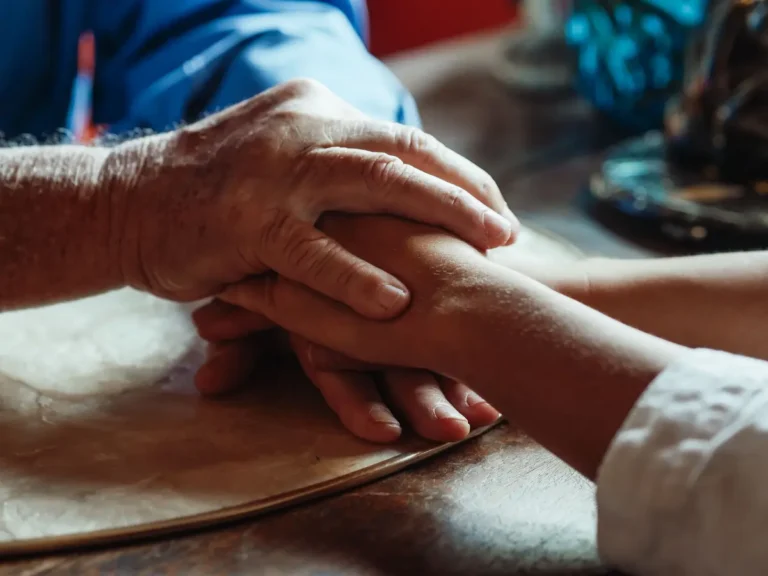
Addiction Is Not a Moral Failing
August 31 is International Overdose Awareness Day, marked in dozens of countries every year since 2001. Its symbols are purple and a…
Read article →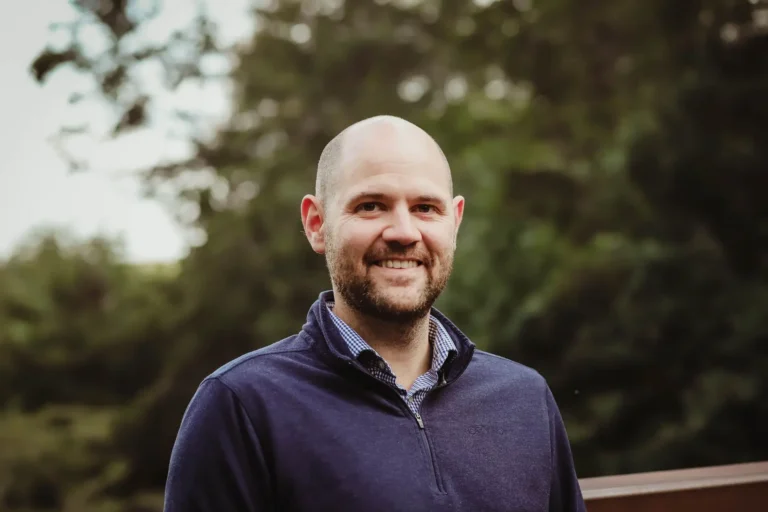
Why Men Don't Talk About It: Men's Mental Health and How Therapy Actually Helps
June is Men's Mental Health Month, and with Father's Day on June 21, it's a month that celebrates men while also quietly…
Read article →Support is here whenever you’re ready.
Reaching out is often the hardest part, and you can do it today. One free, private conversation is all it takes to start.
Phones answered Monday to Friday 9 am to 5 pm, Saturday 9 am to 2 pm.