
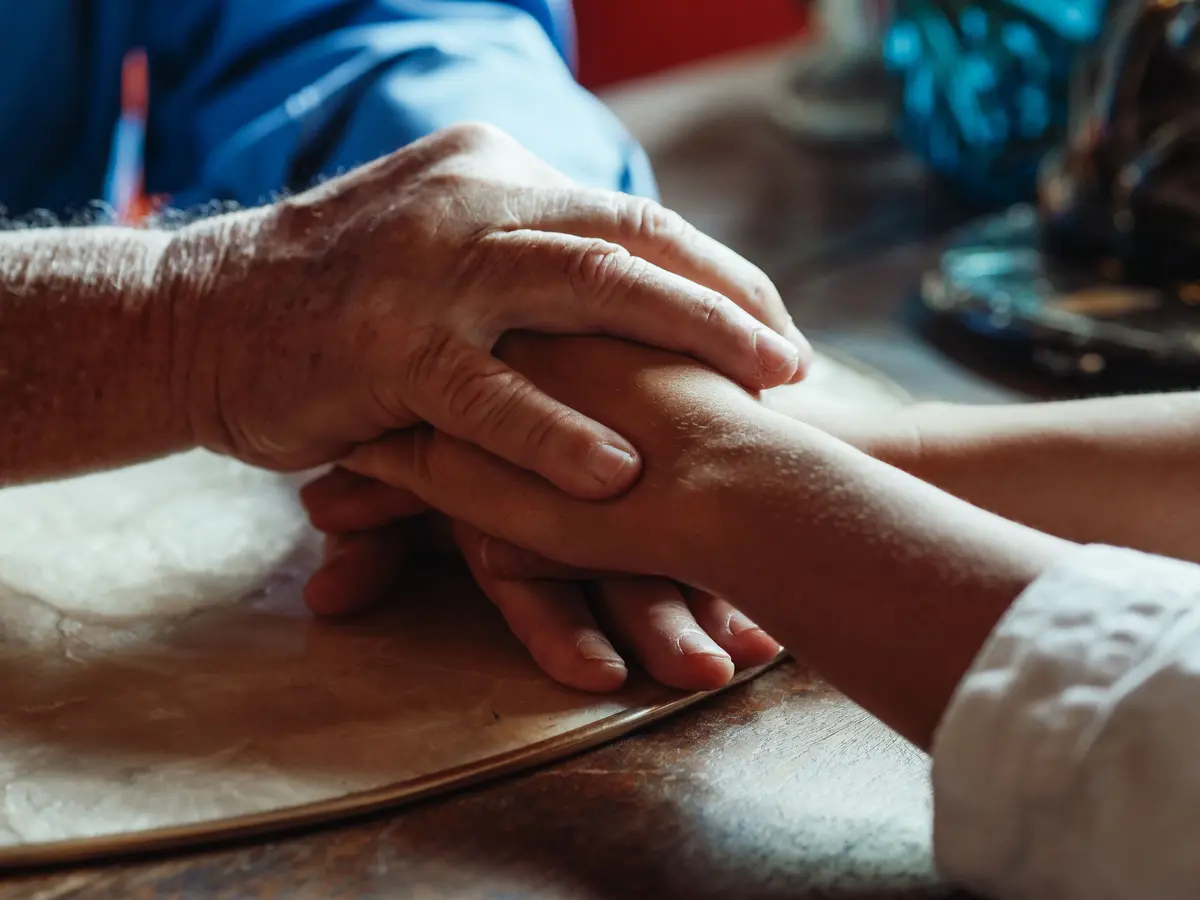
August 31 is International Overdose Awareness Day, marked in dozens of countries every year since 2001. Its symbols are purple and a silver ribbon. Its purpose is two things at once: remembering the people lost, and dismantling the stigma that helped lose them.
The scale of the remembering is hard to hold. More than 50,000 people in Canada have died from opioid-related toxicity since 2016. Public Health Agency of Canada data for July 2024 through June 2025 counts 6,161 deaths, an average of 17 people every day, and behind each one is a family that mostly grieved quietly, because this cause of death still comes wrapped in judgment.
The stigma is the part a psychotherapy clinic can speak to, because we watch what it does. Stigma is the reason a man white-knuckles a drinking problem for six years before telling anyone. It’s the reason a mother hides her son’s struggle from her own sisters. It’s the reason “I should be able to handle this myself” outlives all evidence that the handling isn’t working. Shame delays help, and with addiction, delay is expensive.
So today’s post says the quiet thing in plain language, the same language that’s been on our addiction treatment page for years: addiction is not a moral failing. Here’s what it actually is, and what help actually looks like.
What addiction actually is
Somewhere along the line, most of us absorbed a story about addiction: some people are weak, they make bad choices, and the bad choices become a habit they lack the character to break. The story survives because it’s simple and because it flatters everyone who isn’t struggling.
The science tells it differently. Addiction involves real changes in the brain’s reward and decision-making pathways. Substances and certain behaviours, gambling among them, hijack a learning system that evolved to reinforce survival. With repetition, the brain rewires around the substance or behaviour, cravings become physiological events rather than passing wishes, and the circuitry that would normally veto a bad idea is the very circuitry that’s been compromised. Brain imaging research shows these changes, which is why serious addiction responds so poorly to willpower alone: the request “just stop” is being sent to the department that’s under renovation.
None of this erases personal agency, and no honest therapist pretends recovery happens without choices. What it erases is the moral ledger. A rewired reward system is not a character flaw, any more than high blood pressure is.
One more piece of the picture, and in our experience the most overlooked one: addiction rarely arrives alone. It very often begins as a solution. Alcohol quiets social fear. Substances numb what trauma left behind. The gambling high interrupts a depression nothing else touches. Which means the addiction is frequently the visible half of a pair, and treating it without treating the pain underneath is renovating a house while ignoring the foundation. Our trauma work, including EMDR, exists partly for this reason.
Who this looks like
Forget the imagery the word “addict” conjures. In a Vaughan therapy office, addiction looks like a project manager whose after-work drinks stopped being optional years ago. A retiree whose online gambling started as entertainment and now empties accounts at 2 a.m. A university student whose vape is the first and last act of every day. A mom whose wine-and-scroll evenings have quietly become the only way she can land after the kids sleep.
Most people wrestling with an addictive pattern are employed, housed, and loved. They’re also usually the last to call it what it is, partly because they’re comparing themselves to the stereotype and winning. “I’m not that bad” is one of addiction’s most reliable defence lawyers.
A more useful question than “am I an addict” is this: does the substance or behaviour now make decisions for you? Do you organize around it, hide it, negotiate with it, promise to cut back and watch the promise fail on schedule? Control, not quantity, is the tell.
Men deserve a particular word here, because the same conditioning that keeps men from naming sadness or fear routes their distress toward the socially permitted outlets, and a bottle is one of them. Addiction in men is often depression or anxiety wearing a disguise the culture approves of. We’ve written about that machinery in why men don’t talk about it, and our therapy for men meets it head-on.
What counselling does, and what it can’t
At InnerSight, addiction counselling starts with an assessment, because the right plan depends on where things actually stand, and honesty about severity is part of respecting you.
For many people, focused therapy is the core of the work. That looks like understanding your specific pattern and its triggers, building coping mechanisms that do the job the substance was doing, treating the trauma, anxiety, or depression underneath, repairing the relationships the addiction strained, and constructing a life that has more in it than not-using. CBT carries much of the practical load. Trauma-informed approaches carry the deeper half. Support groups, twelve-step or otherwise, pair well with therapy, and they’re free, which makes them the right starting point for some people regardless of what else is in the plan.
The honest limit: counselling is not always the right first step, and we’ll say so when it isn’t. Severe physical dependence on alcohol or certain other substances can make stopping abruptly medically dangerous, and that situation calls for a doctor’s involvement and sometimes a higher level of care before or alongside therapy. Psychotherapists don’t manage the medical side, and anyone who claims talk therapy alone treats every addiction at every severity should be met with suspicion. What we do is the assessment that sorts this out, the referrals when they’re needed, and the therapy that makes recovery hold once it starts. Relapse, if it comes, is treated in our rooms as information about what the plan was missing, never as proof of the moral story.
If it’s someone you love
International Overdose Awareness Day exists in large part for families. If you’re watching someone you love disappear into a pattern, a few things are worth holding.
You didn’t cause it and you can’t willpower them out of it. Ultimatums delivered in anger usually harden the hiding. What moves the needle, slowly, is the combination of honesty and warmth: naming what you see, once, without a courtroom (“I’ve noticed the drinking is different lately, and I’m worried because I love you”), keeping the relationship alive so there’s somewhere to come back to, and protecting your own limits so the pattern doesn’t consume two lives instead of one.
Your own support counts double here. Our guide on supporting someone who’s struggling applies fully, and individual therapy for the family member is often where the whole system starts to change. If today’s date lands hard because you’ve already lost someone, we’re deeply sorry, and grief support is available whenever you want it, this week or years from now.
Frequently Asked Questions About Addiction Counselling
How do I know if I actually have an addiction?
Quantity matters less than control. If the substance or behaviour organizes your schedule, gets hidden from people you’re close to, survives repeated sincere attempts to cut back, or continues despite real costs to health, money, or relationships, it has crossed from habit into a pattern worth treating.
Does addiction counselling mean I have to quit completely?
Goals are set with you, not imposed on you. For some people and some patterns, abstinence is the workable goal; for others, the work starts with understanding the relationship to the substance and reducing harm. Your therapist will be honest with you if your goal and your situation don’t match.
Can therapy help with addictions that aren’t substances?
Yes. Gambling, pornography, gaming, spending, and overeating run on the same reward circuitry and respond to the same therapeutic work: understanding the trigger pattern, building alternative coping, and treating what’s underneath.
What if I’m not ready to stop?
You can still come. Ambivalence is the normal starting state, not a disqualification, and a good therapist works with the part of you that made the appointment without pretending the other part doesn’t exist. Clarity about readiness is itself an outcome of early sessions.
Is what I say confidential?
Yes, within the standard limits of any regulated health profession in Ontario. Your sessions aren’t shared with your employer, your family, or anyone else without your consent, apart from narrow legal exceptions your therapist will explain plainly in the first session.
How do I help a family member who refuses help?
You can’t force readiness, but you can shorten the distance to it: state what you see once and with warmth, hold your own boundaries, stop covering the consequences that would otherwise teach, and get support for yourself. Families often start therapy before the person struggling does, and it frequently changes the system enough that the person follows.
Purple, Silver, and a Phone Number
Awareness days pass. The phone number underneath them doesn’t. If any paragraph above read like your kitchen table, the free consultation exists exactly for the conversation you’ve been putting off, and it comes with no commitment and no lecture.
Book your free consultation or call (905) 553-9507. In person in Vaughan, Woodbridge, and Barrie. Online across Ontario. Evenings and weekends available.
Believe in better. It applies here most of all.