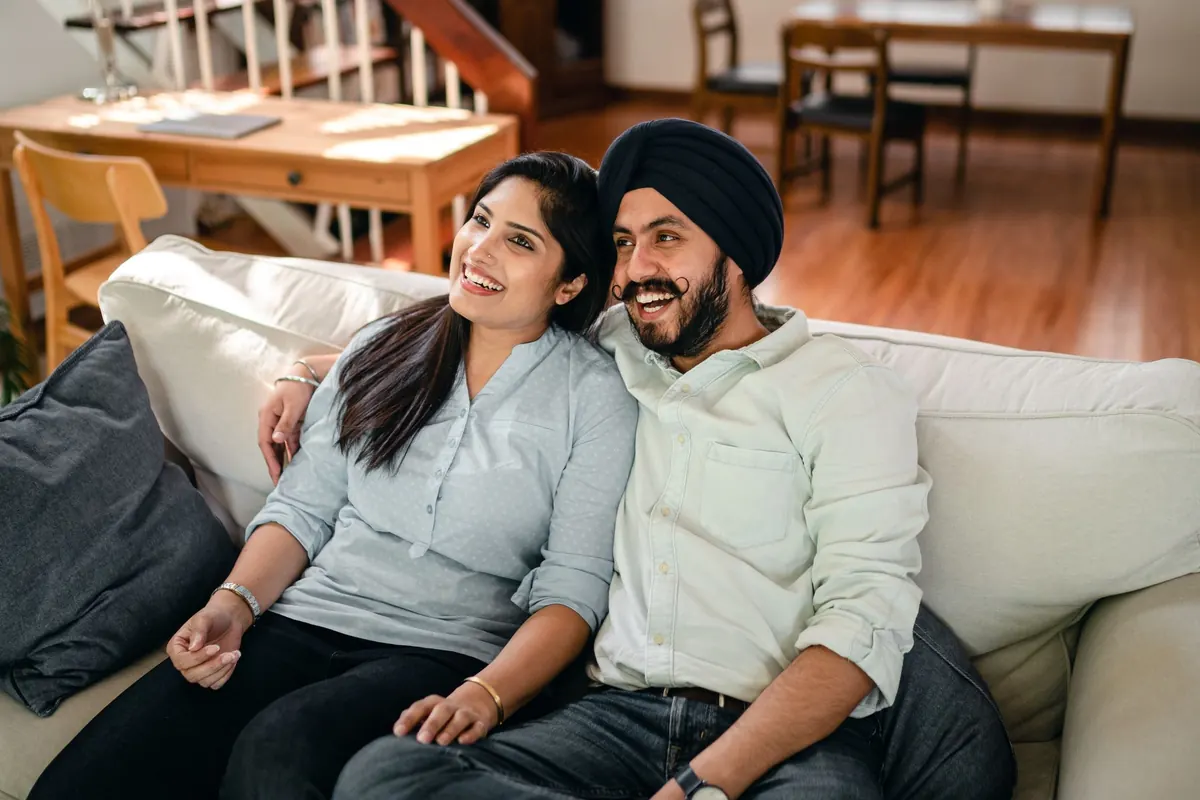
Marriage and couples counselling in Vaughan
Understand each other again.
Whether you’re stuck in the same argument, rebuilding after a breach of trust, or just feeling like roommates, therapy can help you understand each other again and reconnect. In Vaughan and online across Ontario.
If your partner isn’t ready yet, you can start on your own with individual relationship work. One person changing the pattern often shifts the whole dynamic, and many partners join later once they see the difference.
Takes 2 minutes. No credit card. No referral needed.
- 24+ Registered PsychotherapistsLook any of us up on the CRPO register
- Direct billing availableSun Life, Beneva, Green Shield
- Evenings and weekendsIn person or online



It’s rarely gone. It’s usually buried.
Many couples wait a long time before reaching out, often long after the small distances have hardened into a pattern. By the time the same argument keeps repeating, or the silence has become the norm, it can feel like the connection is gone for good. It’s rarely gone. It’s usually buried under hurt, missed attempts to reach each other, and the ways you’ve each learned to protect yourselves.
Couples counselling isn’t only for relationships on the edge, and the goal is never to decide who’s right. Coming early is one of the kindest things you can do for the relationship.
Couples counselling is structured, evidence-based talk therapy with a neutral, trained guide. You both learn to step out of the cycle that keeps you stuck, hear the softer feelings underneath the conflict, and rebuild safety and closeness.
- Understand the cycle, not who’s to blame
- Rebuild trust, communication and closeness
- For couples and individuals, in person or online
What’s been happening between you lately?
Tap anything that sounds familiar. None of these means your relationship is failing. They’re common, and very workable.
Your safety comes first.
If you’re afraid of your partner, couples therapy may not be safe or appropriate yet. You can talk with us on your own, in confidence, about the right kind of support.
Assaulted Women’s Helpline, free and 24/71-866-863-0511In an emergency, call 911.
Talk with us on your ownStart with what you’re noticing.
Tap what sounds like home lately, and we’ll suggest a sensible next step.
You’ve noticed 1 thing.
That’s common, and very workable. A free 20-minute consult is a calm way to talk it through, together or on your own.
You’ve noticed 3 things.
That’s a lot to carry. You don’t need to be in crisis to come, and coming early is one of the kindest things you can do for the relationship.
Not sure you want to stay together? That’s welcome and very common. We can help you find clarity before any big decision.
Book a free 20-minute consultThis isn’t a diagnosis.
Most couples aren’t fighting about what they think they are.
Under the surface argument is usually a softer feeling neither partner is saying out loud. Step through the cycle most couples get caught in, and what therapy does with it.
- 1On the surface
“One partner reaches out, often as criticism or pressure.”
- 2UnderneathThere’s usually a softer feeling under the surface move.Underneath the frustration is usually a fear of disconnection: do I matter to you? The reaching out is really a bid for closeness, even when it lands as a complaint.
- 3The shift
“When we can name the fear instead of firing the complaint, the other person can finally hear us, and reach back.”
- 1On the surface
“The other partner pulls away, shutting down or defending.”
- 2UnderneathWithdrawing is also a way of protecting yourself.Underneath the withdrawal is usually a fear of failing: I can never get it right, so I stop trying. Going quiet isn’t a lack of caring. It’s overwhelm.
- 3The shift
“When I understand that the silence is self-protection, not rejection, I stop reading it as proof that they’ve given up on me.”
- 1On the surface
“The cycle repeats and feeds itself.”
- 2UnderneathThe more one pursues, the more the other retreats.Each move triggers the next, and round it goes. Both people end up feeling alone in the very relationship that’s meant to be home. The enemy is the cycle, not your partner.
- 3The shift
“Once we can see the dance we’re caught in, we can step out of it together instead of blaming each other for it.”
- 1On the surface
“What does therapy actually do with all this?”
- 2UnderneathWe help you both step out of the cycle.Together you learn to slow the pattern down, hear the softer feelings underneath, and rebuild safety and closeness. This is the heart of Emotionally Focused Therapy, a well-researched approach to couples work.
- 3The shift
“We stop being on opposite sides of the problem, and start being on the same side against the cycle.”
An illustration of a common pattern, not a real couple’s words. Seeing the cycle is where change starts, and it’s very workable.
Talk it through, free for 20 minutesMeet therapists who work with couples
Every therapist below is registered with the CRPO and experienced in couples and relationship work. Watch a short intro, read their profile, or let us match you in your free consultation.
 Watch intro
Svetlana Antonyshyn
Registered Psychotherapist, FounderCRPO #001652Woodbridge · Online
Founder of InnerSight, with deep experience in couples and relationship work helping partners reconnect.
 Watch intro
Valeria Matei
Registered PsychotherapistCRPO #14052Woodbridge · Online
Warm, non-judgmental and emotionally focused, supporting couples to feel safe enough to reconnect.
 Watch intro
Yulia Evans
Registered PsychotherapistCRPO #14326Woodbridge · Online
Works with marital and relationship difficulties, drawing on the Gottman Method and Emotionally Focused Therapy.
 Watch intro
Hanna Anderson
Registered Psychotherapist (Qualifying)CRPO #17979Woodbridge · Maple · Online
Gottman-trained, for partners caught in the same argument and wanting to move forward with more clarity.
 Watch intro
Phil Azer
Registered PsychotherapistCRPO #10018Maple (Vaughan) · Online
For partners having the same argument over and over, or carrying emotions that are hard to put into words.
 Watch intro
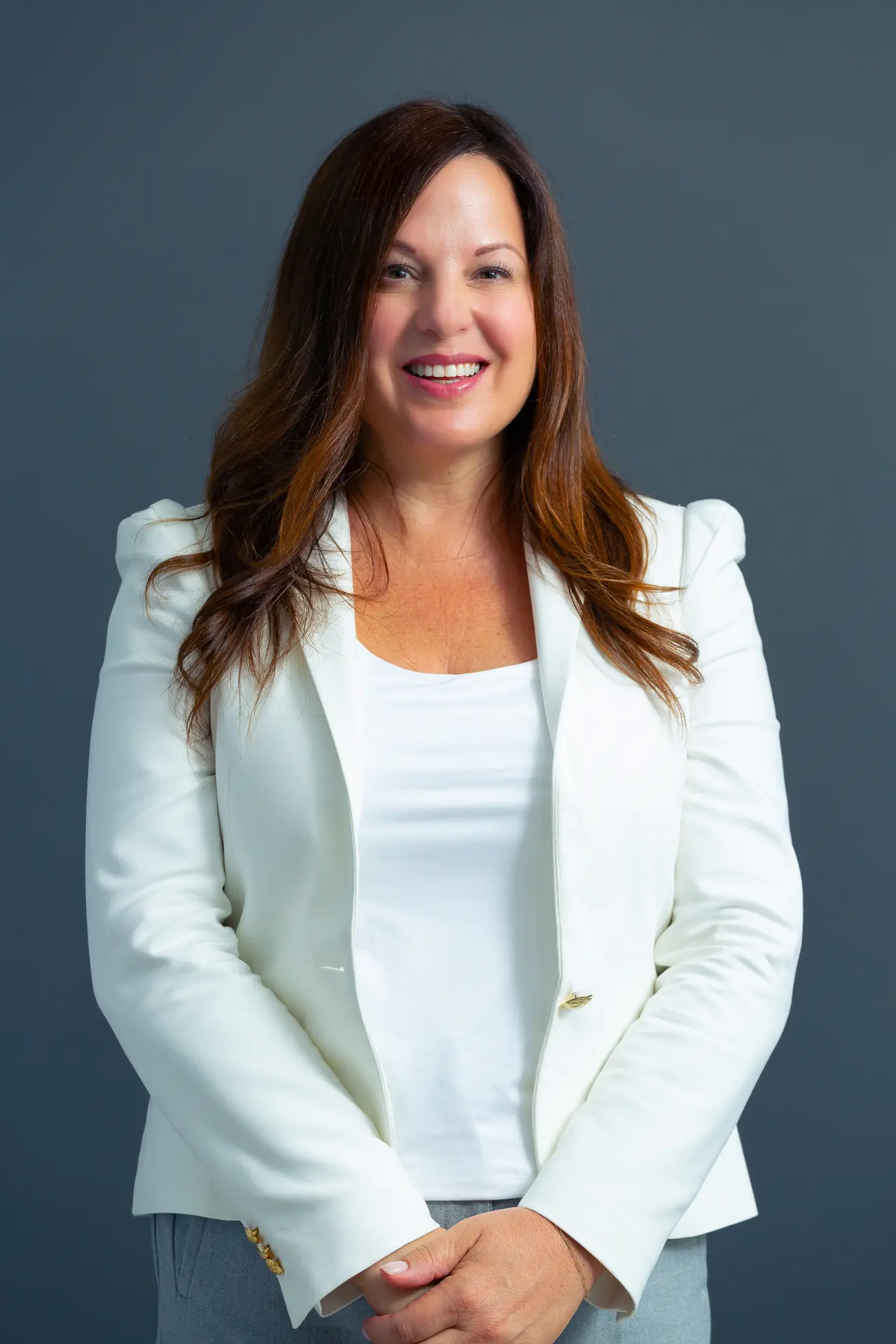
Teresa Di Panfilo
Registered PsychotherapistCRPO #19045Woodbridge · Online
Individual, couple or whole family, the goal is the same: honest conversations and difficult emotions met with compassion.
Not sure who fits?
Let us match you in your free consultation. If the fit isn’t right, we’ll help you switch to another therapist on the team.
Together or on your own, both work.
You can come as a couple, or start individual work on relationship patterns if your partner won’t attend yet.
Both of you in the room
Learning to understand and reach each other again, with a neutral guide who holds the space for both of you. Your first couples appointment runs a full 90 minutes at the same rate.
When your partner isn’t ready
One person changing the pattern often shifts the whole dynamic, and many partners join later once they see the difference. Individual work starts with a 70-minute initial assessment.
About individual therapyWhat your first couples session looks like
A calm, balanced conversation where each of you is heard. Here’s how the 90 minutes tend to go.
- 1Minutes 0 to 20
Both partners welcome
Your therapist welcomes you both, explains confidentiality, and makes clear this is a calm, balanced space where each of you will be heard.
- 2Minutes 20 to 80
Mapping the cycle
Together you look at the pattern you get caught in, the moments it flares, and the softer feelings sitting underneath for each of you.
- 3Throughout
No one takes sides
There’s no referee handing out verdicts. Your therapist stays neutral, holds the space for both of you, and keeps the focus on the cycle rather than on blame.
- 4The last 10 minutes
Leaving with direction
You agree on what you’re working toward together, and leave with something concrete to try before the next session.
“I’m not trying to prove who’s right. I miss us, and I’d like some help finding our way back.”
Lead with what you miss, not what’s wrong.
Not sure you want to stay together?
That’s welcome and very common. We can help you find clarity and confidence about the path forward before any big decision.
Read: 6 myths about couples therapyEvidence-based approaches, matched to you.
Couples work is most effective when it meets both the conflict in the moment and the bond underneath. Each session follows a practical structure: you name what’s happening between you, your therapist helps you both see the pattern underneath it, and you leave with something concrete to try.
Emotionally Focused Therapy
The evidence-based heart of our couples work, rebuilding the secure bond beneath the conflict.
More on EFTGottman-informed tools
Practical communication and repair skills drawn from established couples research.
More on the Gottman MethodInternal Family Systems
For the individual patterns each of you brings, so old wounds drive less of the dynamic.
More on IFSTrauma-informed care after betrayal
Careful, paced support for rebuilding trust after infidelity or a deep breach, whatever you decide together.
Infidelity recovery therapyInnerSight was founded by Svetlana Antonyshyn, RP, on the belief that healing should treat the person, not a label. More about our approach.
What the research says
We’ll always be honest about evidence. Couple therapy is well studied, though no ethical therapist can promise how things will go for any one relationship.
A review of a decade of couple therapy research found about 70% of couples showed positive change, far more than with no treatment, though that still leaves some couples who don’t improve.
Five years after a trial of two couple therapies with 134 seriously distressed married couples, about half showed clinically significant improvement in satisfaction from where they started, and about a quarter had separated or divorced.
A 2019 meta-analysis of randomized trials found Emotionally Focused Therapy gave couples a medium-sized boost in relationship satisfaction by the end of treatment, though the authors cautioned that unpublished studies may be missing.
In a study of 124 newlywed couples followed over six years, the emotion each partner showed in just the first three minutes of a disagreement predicted which marriages would later end in divorce. It’s a pattern across couples, not a forecast for yours.
Our Registered Psychotherapists do not diagnose or prescribe. If there’s an ongoing safety concern in your relationship, that’s a different conversation, and we’ll help you find the right kind of support for it.

Clinically reviewed by Svetlana Antonyshyn, Registered Psychotherapist (CRPO #001652). Last reviewed October 2026.
What couples counselling costs
No hidden fees and no pressure. Most private insurance plans cover a portion of psychotherapy fees. We can bill Sun Life, Beneva (formerly SSQ) and Green Shield directly when your plan is with one of them, and we provide receipts for claims with other insurers.
- $0
- Free consultation · 20 minMeet a therapist, ask anything, and see if it feels right. No credit card and no obligation.
- $280
- Couples session · 85 minA longer session so both partners have room to be heard. Your first couples session runs 90 minutes at the same rate.
- $180
- Individual session · 55 minFor individual relationship work. Your first individual appointment is a 70-minute assessment at $245.
- $175
- Reduced-fee couples sessionWith select supervised therapists in training. Reduced-fee individual sessions are $125.
Appointments cancelled with less than 48 hours’ notice may be charged a cancellation fee. Sessions aren’t covered by OHIP, but psychotherapy from a Registered Psychotherapist may qualify as a medical expense at tax time. Worried about cost? See our reduced-fee program, or call us. We’re happy to walk you through it.
How far could your benefits go?
Pick your plan’s yearly maximum for a Registered Psychotherapist.
An estimate, not a quote or a promise of coverage. Plans differ on the percentage reimbursed, per-visit limits, deductibles and which providers they recognize, so check your benefits booklet or ask your insurer about “Registered Psychotherapist” and “Registered Psychotherapist (Qualifying).”
Book a free 20-minute consultDon’t take our word for it. Check.
Anyone can say they’re good at this. Here’s what you can verify about us in about two minutes, without speaking to anyone.
Regulated, not self-declared
“Psychotherapist” is a protected title in Ontario. Our team are Registered Psychotherapists, accountable to a College with a public complaints process.
See every therapist’s registrationSupervised every month
Our therapists meet for clinical supervision every month, so the work stays accountable to someone other than the person doing it.
How we workWe show our sources
Where we describe what therapy can help with, we name the source and link it, from Statistics Canada and CAMH to peer-reviewed trials.
What we help withNothing locks you in
No referral needed. No contract, no package to buy. Fees are published up front, $280 for an 85-minute couples session. If the fit isn’t right, tell us and we’ll help you switch to another therapist on the team.
Fees and coverageMarriage counselling: your questions, answered
Still wondering about something? Ask us in a free consult, or call (905) 553-9507. Phones are answered weekdays 9 am to 5 pm, Saturdays 9 am to 2 pm.
What if my partner will not come to therapy?
You can start on your own with individual relationship work. When one partner begins to shift the pattern, it often changes the whole dynamic between you, and many partners join later once they see the difference.
Do I need a referral for couples counselling in Vaughan?
No referral is needed. You can book a free 20-minute consultation online at psychotherapyclinic.janeapp.com or call (905) 553-9507. Most couples have their first full session within a week.
How much does couples counselling cost and is it covered?
Couples and family sessions are $280 for 85 minutes (your first couples session runs 90 minutes at the same rate), and individual sessions are $180 for 55 minutes, starting with a 70-minute initial assessment at $245. The first 20-minute consultation is free. There is no OHIP coverage, but most private insurance plans cover a portion of services from a Registered Psychotherapist. We bill Sun Life, Beneva (formerly SSQ) and Green Shield directly. Reduced-fee sessions are $175 for couples and family therapy and $125 for individual therapy, with select supervised therapists in training.
Can you help us rebuild trust after infidelity?
Yes. We help couples understand what happened, process the hurt on both sides, and decide together how they want to move forward, whether that is rebuilding the relationship or parting with more peace.
Is couples therapy available online across Ontario?
Yes. We offer secure video sessions for both partners anywhere in Ontario, plus in-person sessions in Vaughan and Woodbridge and in Barrie. Evenings and weekends are available.
How long does couples therapy take?
It varies. Some couples come for a focused stretch around one issue, while others stay longer to deepen the connection. You and your therapist review progress together and adjust the pace as you go.
What if we are not sure we want to stay together?
That is welcome and very common. We can help you gain clarity and confidence about the path forward, whatever you decide, before making any big decision.
What happens in the first couples session?
It is a calm, balanced conversation where each partner is heard and the therapist stays neutral and does not take sides. You leave with a clearer sense of what is happening between you and a sense of direction.
How is couples therapy different from a relationship coach?
A coach typically focuses on goal-setting and communication tools. A Registered Psychotherapist is trained to work with the deeper emotional patterns, past hurts, and attachment dynamics that often drive the surface conflict, using approaches like Emotionally Focused Therapy. Many couples find that the practical tools stick better once the underlying pattern has actually shifted.
Is this normal relationship stress, or something more serious?
Most couples who come to us are not in crisis, they are stuck in a pattern that used to work and no longer does. Occasional conflict, distance, or feeling like roommates is common and very workable. If there is ongoing safety concern in your relationship, that is a different conversation, and we can help you find the right kind of support for that too. If you are afraid of your partner, couples therapy may not be safe or appropriate yet. The Assaulted Women's Helpline is available 24/7 at 1-866-863-0511, and in an emergency call 911.
Couples counselling near you
In-person sessions in Woodbridge, Maple and Barrie, plus secure video sessions anywhere in Ontario. Evenings and weekends available.
Online across Ontario
Secure video sessions for both partners, from anywhere in the province.
Book an online consultAppointment hoursMonday to Friday, 9:30 am to 8:00 pmSaturday, 9:30 am to 5:30 pm
Recent thinking on relationships
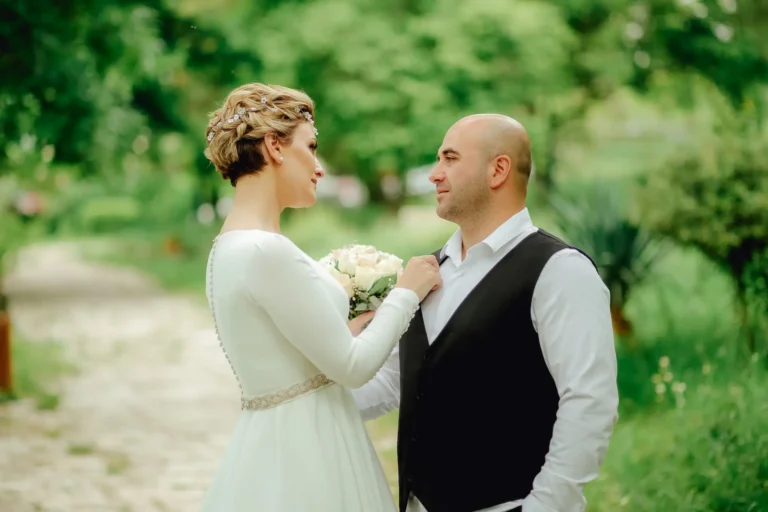
Wedding Season Stress: How to Protect Your Relationship When the Pressure Is On
You said yes. You found the venue. You picked the date. And somewhere between choosing centrepieces and managing the guest list, you…
Read article →
Couples Therapy: 6 Myths That Stop People from Getting Help
A lot of couples who could benefit from therapy don't go. Not because they don't care about the relationship, but because of…
Read article →
How to Support a Partner with Depression (Without Losing Yourself)
Loving someone who is depressed is one of the lonelier experiences you can have in a relationship. You're right there, sleeping in…
Read article →You can find your way back to each other.
Reconnecting is workable with the right support, and the first step is a free, no-pressure conversation. You can take it today, together or on your own.
Phones answered Monday to Friday 9 am to 5 pm, Saturday 9 am to 2 pm.