
Infidelity recovery therapy in Vaughan
Most people find a page like this in the first few weeks, when the same forty seconds of a text thread keeps replaying and you are checking a phone whose contents you already know. Infidelity recovery therapy in Vaughan is for that stretch and the longer one after it, whether you come in as a couple or arrive on your own because your partner is not ready to sit down. The first conversation is a free 20-minute consult, and you can book it without your partner knowing what you have decided.
No referral needed · in-person or online · with Registered Psychotherapists.

Psychotherapists
supervision
a side
20 minutes
Clinically reviewed by Svetlana Antonyshyn, Registered Psychotherapist (CRPO #001652). Last reviewed August 2026.
What does infidelity recovery therapy in Vaughan actually involve?
Infidelity recovery therapy is couples or individual counselling focused on one event and its aftermath: ending contact, deciding what gets disclosed, understanding how it happened, and choosing whether to rebuild or separate. Sessions run 85 minutes for couples at $280, or 55 minutes individually at $180.
Early sessions tend to be practical. Who already knows. What gets said to the children and to your mother. Whether contact with the third person has genuinely ended or has moved to a different app. How the two of you get through a Tuesday evening in the same kitchen without one of you leaving the house. Work in the first month is mostly containment. Insight comes later, and it comes better once nobody is running on three hours of sleep.
This page covers the affair and what follows it. General relationship work, including communication patterns, parenting conflict, premarital sessions and the full fee list, sits on our couples therapy page. Bring an affair into the room and the sequence changes: the usual communication exercises land badly while one partner is still checking timelines and the other is still deciding how much to say.
How we work: your therapist will most often draw on the Gottman Method, which is structured and assessment-led, or on Emotionally Focused Therapy, which treats a betrayal as an attachment injury and works directly with the moment it happened. Those two are named here for a specific reason. They are the only approaches with published trials aimed at affair recovery rather than at relationships in general, and the numbers behind them are set out below.
The honest part: nobody can tell you at the outset whether this work will hold your relationship together. The research is small, and a meaningful share of couples who do the work carefully still decide to separate. That decision counts as a real outcome of the work rather than a failure of it, and therapy is often what makes it a clear-eyed decision instead of an exhausted one.
Who provides infidelity recovery therapy in Vaughan?
Six of our clinicians take this work. Svetlana Antonyshyn (RP, CRPO 001652) founded InnerSight and works as a relationship counsellor. Yulia Evans (RP, CRPO 14326) lists trust and intimacy among the concerns she works with, and practises the Gottman Method. Carol McDowell (RP, CRPO 10937) holds advanced training in the Developmental Model of Couples Therapy and works from Barrie.
Teresa Di Panfilo (RP, CRPO 19045) works with individuals and couples on the relationship patterns that keep repeating, and practises the Gottman Method. Valeria Matei (RP, CRPO 14052) and Hanna Anderson (RP Qualifying, CRPO 17979) both hold training in the Gottman Method, which is the approach this page draws on most, and you can read what that involves on the Gottman Method page.
All five are registered with the College of Registered Psychotherapists of Ontario, which means they do not diagnose or prescribe, and all five receive monthly clinical supervision. If the fit is wrong after a session or two, tell us and switch. Nothing about the first appointment commits you to a course of therapy or to a decision about your relationship.

Svetlana Antonyshyn
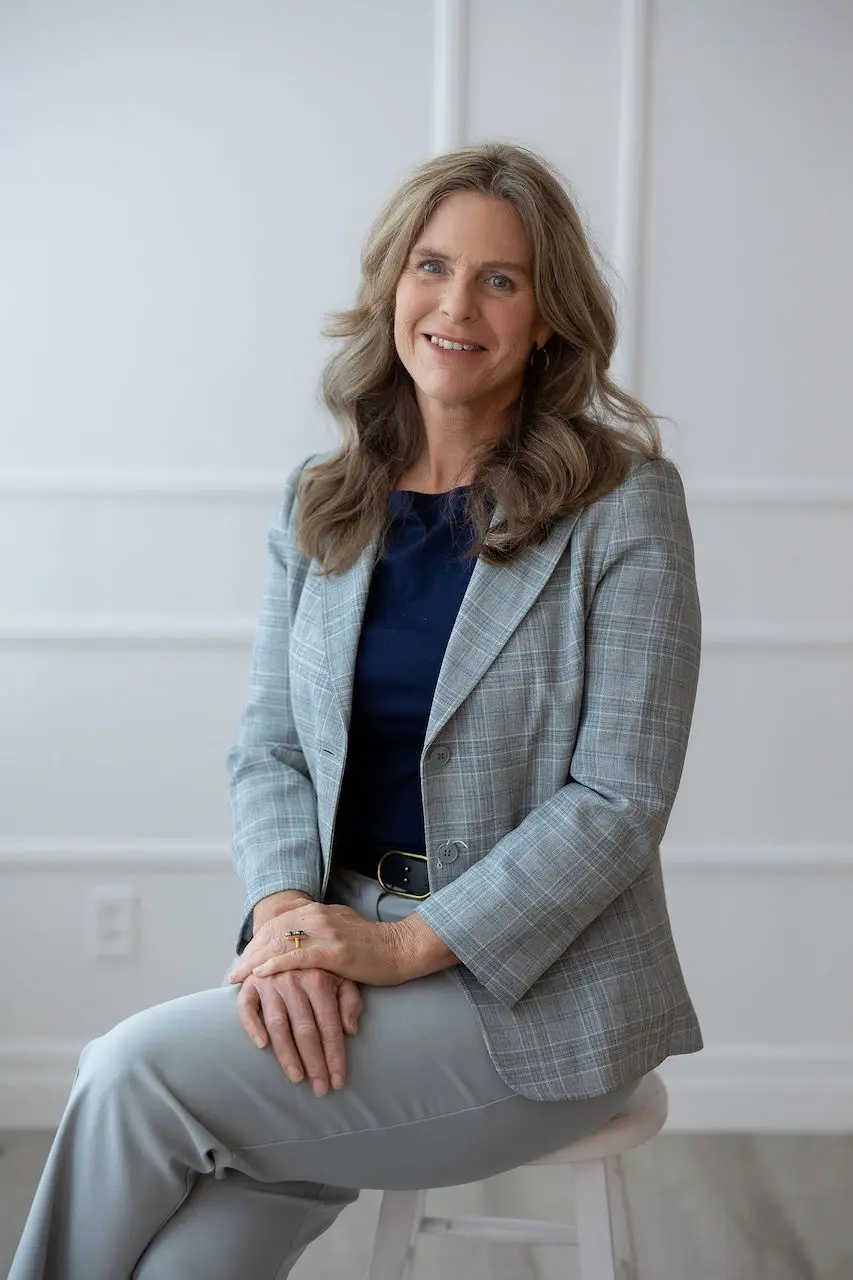
Carol McDowell

Yulia Evans

Valeria Matei

Hanna Anderson
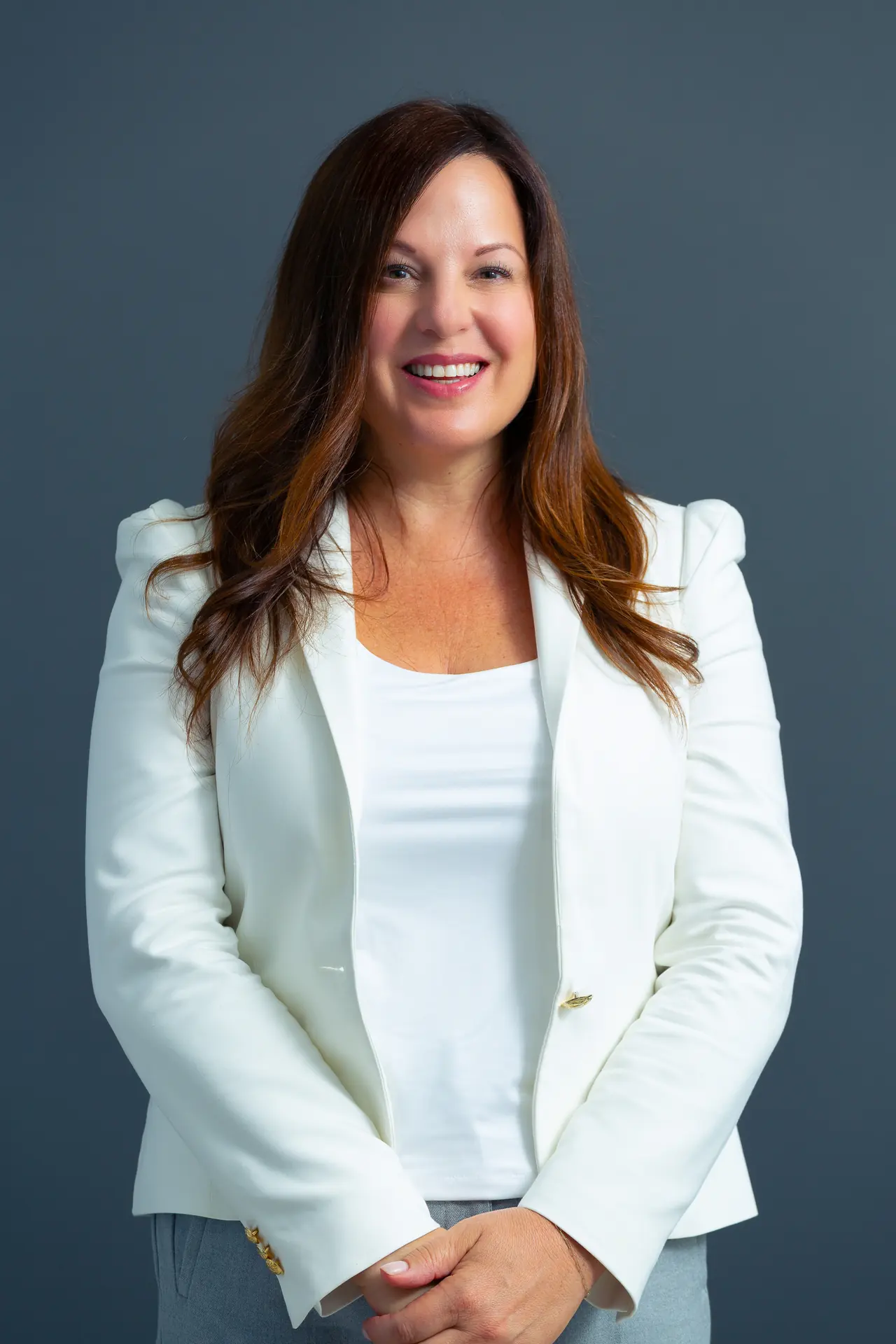
Teresa Di Panfilo
Four things people say in a first session after an affair
These come up in almost every first appointment, from one partner or the other. Select one to see what a therapist would look at underneath it.
If I just knew every single detail, I could stop thinking about it.
Wanting detail is usually an attempt to make something unpredictable predictable again. Some questions genuinely rebuild an accurate picture and some replay the injury on a loop, so we agree which ones get answered, in what setting, before the asking starts.
What affair recovery therapy is used for
Sleep goes, appetite goes, and the same three questions run on a loop at two in the morning. Early sessions focus on getting the days functional again, before anything permanent gets decided.
One week leaving feels obvious and the next week it feels impossible, and the pressure to settle it makes both weeks worse. Therapy can hold the decision open on purpose while you find out what the relationship is like once the first shock settles.
One partner needs to know what happened and the other believes every answer makes it worse. We sort the questions that rebuild an accurate picture from the ones that replay the injury, and we agree in advance where the answering happens.
You have apologised repeatedly and it seems to reset nothing, which starts to feel like proof that nothing will work. What usually moves things is your partner seeing that you understand the specific moment they felt alone, and that is a different conversation from an apology.
Phones, receipts, and a sudden need to verify small ordinary things can take over an entire day. We look at what the checking is trying to answer and what would actually settle it.
Scenes you never witnessed show up in detail, and a certain song or a car in the driveway sets off a physical response before you have thought anything. These reactions are common after betrayal and they respond to being worked with directly.
Some couples stop touching altogether and some find the opposite happens, and both can feel alarming to the people involved. We treat it as information about where safety currently sits, and it usually changes as other things change.
Your partner will not attend, or you are the one who had the affair and have nobody you can talk to about it without being judged. Individual sessions are a legitimate place to start, and one person doing this work often changes what becomes possible later.
Does affair recovery therapy actually work, and how strong is the evidence?
The honest answer is encouraging but early. Every study here is small, and the only randomized trial of affair recovery had 19 couples complete it. What they agree on is that both partners improve, not only the partner who was betrayed.
couples carrying a betrayal reached resolution in about 13 sessions of the attachment injury model used in Emotionally Focused Therapy. Roughly six in ten got there, and four in ten did not.
Journal of Consulting and Clinical Psychology (Makinen and Johnson), 2006
couples randomized in the only trial of Gottman Method therapy run specifically on affair recovery. The Gottman group did better than usual care on trust, conflict management, relationship satisfaction and sexual satisfaction.
19 couples completed both the before and after assessments.
The Family Journal (Irvine, Peluso, Benson, Cole, Cole, Gottman and Gottman), 2024
couples dealing with an affair inside a 134-couple trial started out more distressed than everyone else, and those who disclosed the affair improved more in relationship satisfaction than the couples with no affair at all.
Journal of Consulting and Clinical Psychology (Atkins, Eldridge, Baucom and Christensen), 2005
couples followed through Gottman Method therapy after infidelity. Both partners improved measurably, including the partner who had the affair.
participants in eight weekly group sessions, without their partner in the room, reported less depression, anxiety and trauma, less preoccupation with the event and more confidence in handling relationships.
How long does affair recovery take, and what happens in each stage?
There is no fixed program and no session count we can promise you. The shape below roughly matches the 13-session average in the attachment injury study, though couples who arrive while contact is still ongoing, or while the story is still coming out in pieces, almost always need longer.
The research base here is thin, and pretending otherwise would be dishonest.
The first weeks: stabilising
Sessions focus on what has to be decided this week. Whether contact has actually ended and how you will both know. Sleeping arrangements. What gets said to children, employers and family, and what does not. How to handle the hours when the images arrive uninvited. Most couples want to settle the future of the relationship immediately, and this is the stage where we ask you to hold that question open rather than answer it at two in the morning.
The middle stretch: the account and the questions
The partner who had the affair gives an account, and gives it more than once, without arguing about how often it has to be told. The betrayed partner asks the questions that are actually theirs to ask. This is where the work is hardest and where most couples stall, usually because facts keep surfacing after each round. Alongside it, the two of you look at what the relationship was like before, which is context and not a verdict about who caused what.
The decision and what follows it
By this point most couples know which way they are leaning. If you are rebuilding, sessions turn to specific agreements about transparency, to the return of physical intimacy at a pace the betrayed partner sets, and to the slow business of trusting an ordinary evening again. If you are separating, the remaining sessions change purpose entirely and go to how the separation is done, particularly if there are children.
What does affair recovery look like for your particular situation?
This is the decision couples most often get wrong on their own. Facts and a timeline are usually necessary, because a partner who cannot place the last two years is not going to settle. Graphic specifics are a different matter and cannot be unseen once given, so we slow that request down and ask what the answer would be used for. What reliably damages recovery is information arriving in instalments, each one restarting the clock. In the 2005 trial data, the affair couples who disclosed before or during therapy improved more than couples with no affair at all, which is worth knowing if you are sitting on something undisclosed.
Couples sessions run 85 minutes at $280, with the first session at 90 minutes for the same fee, because the intake alone takes most of an hour. Both of you get real airtime, including the partner who had the affair, who often expects to spend a year being cross-examined. The therapist does not hand down a verdict about the marriage and does not treat what happened as a small thing either. Some couples find one or two individual sessions each, alongside the joint work, makes the joint sessions less combustible.
Plenty of people start here: the partner will not come, or has not been told yet, or you were the one who had the affair and need somewhere to think that is not the kitchen. Individual sessions are 55 minutes at $180, and an initial adult assessment is 70 minutes at $245. A 2024 trial of a structured group program for people working on an affair without their partner present, eight weekly 90-minute sessions with 24 participants, found reduced depression, anxiety and trauma symptoms, less preoccupation with the event, and more confidence about relationships. We provide individual sessions rather than that group, but it is fair evidence that this work moves without both people in the room.
In the founding attachment injury study, 9 of 24 couples did not reach resolution, and some of those relationships ended. A separation reached deliberately, with both people understanding what happened and why, is a different thing from one reached by attrition, and it is a legitimate result of therapy rather than proof the therapy failed. When that is the direction, we say so plainly and change what the sessions are for. Work after the decision, including co-parenting and how the two of you speak to each other from here, is covered by separation and divorce therapy.
What therapy costs in Vaughan
No hidden fees. Most private insurance plans cover a portion of psychotherapy fees.
Meet a therapist together or on your own, ask anything, and see if this feels like the right fit. No obligation.
Full-length sessions for partners. Your first couples appointment runs 90 minutes at the same rate. Most private plans cover a portion.
Many people also do individual work alongside, or instead of, couples sessions.
Reduced-fee sessions from $125 are available with select supervised therapists in training through our affordable therapy program.
Your questions, answered
Can a relationship actually recover after an affair?
Many do, and a real number do not. In the founding attachment injury study behind Emotionally Focused Therapy, 24 couples carrying a betrayal received about 13 sessions and 15 of them reached resolution, which means 9 did not. The 2024 Gottman trial randomized 49 couples and found better trust, conflict management and satisfaction in the therapy group, though only 19 finished both assessments. Those numbers support one claim: recovery is possible and reasonably common with help. They do not support a prediction about your relationship, and we will not offer you one.
How long does infidelity recovery therapy take?
The attachment injury study averaged about 13 sessions, which is a fair rough guide for couples where contact has ended and the account is complete. In practice most couples meet weekly for the first two months, then move to every second week. Two things extend it reliably: contact with the third person continuing, and information surfacing in stages, since each new disclosure sends the work back to the beginning. Couples sessions are 85 minutes at $280, with the first at 90 minutes for the same fee. There is no set package and no minimum commitment.
Is affair recovery different from regular couples therapy?
The order of operations is different. General couples work usually starts with communication patterns and shared goals, and those exercises land badly while one partner is checking timelines and the other is deciding how much to say. Affair work starts with containment: ending contact, agreeing what gets told to whom, and getting both people through the week. The account of what happened comes next, and the familiar relationship work comes after that. Skipping to the standard material too early is the most common reason couples tell us their previous therapy went nowhere.
What is the difference between the Gottman Method and EFT for infidelity?
The Gottman Method is structured and assessment-led, with the work aimed at trust, conflict management and rebuilding specific habits. Emotionally Focused Therapy treats the betrayal as an attachment injury and returns to that moment until the partner who caused it can hear it without defending, which is what the model calls resolution. Both have affair-specific evidence: the only Gottman randomized trial was an affair recovery trial with 49 couples randomized, and the founding EFT attachment injury study followed 24 couples, 15 of whom resolved. In practice the choice usually follows the therapist you connect with.
What if my partner refuses to come to therapy with me?
Then come alone. This is one of the most common ways people start, and it is useful whether you were betrayed, had the affair, or have not decided what you want. A 2024 trial of a structured program for people working on an affair without their partner, eight weekly 90-minute sessions with 24 participants, found reduced depression, anxiety and trauma symptoms and more confidence about relationships. We offer individual sessions rather than that group format, at $180 for 55 minutes. Pressuring a reluctant partner into the room tends to cost more than it gains.
How much detail about the affair should I ask for, or tell?
Facts and a timeline are usually necessary, because a partner who cannot account for the past two years will keep searching for the missing pieces. Explicit sexual detail is different: it is rarely useful and cannot be forgotten once heard, so we ask what a specific answer would actually be for before it is given. The pattern that does the most damage is staggered disclosure, where each round produces something new. If there is more to say, saying it inside therapy, with the pacing managed, is safer than saying it at midnight.
Will the therapist take sides or tell us to stay together?
No. Both accounts get real time, including the account of the partner who had the affair, and the therapist does not deliver a verdict on the relationship or on either of you. That is not the same as treating the affair as unimportant. Honesty about what happened, and about whether contact has ended, is a condition of the work rather than an opinion about it. Whether you stay together is your decision, and a therapist who arrives at that answer before you do is doing the job wrongly.
What happens if we decide to separate partway through?
That happens, and it is a legitimate result rather than a sign the work failed. When it becomes clear the relationship is ending, we say so directly and the sessions change purpose. The remaining work goes to how the separation is handled: what is said to the children and by whom, how the two of you speak from here, and how to end it without a decade of aftermath. Ongoing support after the decision is made falls under separation and divorce therapy, and we can move you there or to individual sessions.
More on relationships from our therapists
Wedding Season Stress: How to Protect Your Relationship When the Pressure Is On
You said yes. You found the venue. You picked the date. And somewhere between choosing centrepieces and managing the guest list, you…
Read article →
Couples Therapy: 6 Myths That Stop People from Getting Help
A lot of couples who could benefit from therapy don't go. Not because they don't care about the relationship, but because of…
Read article →
How to Support a Partner with Depression (Without Losing Yourself)
Loving someone who is depressed is one of the lonelier experiences you can have in a relationship. You're right there, sleeping in…
Read article →Where to see us in person, or meet online
Three offices across Vaughan and Barrie, plus secure video sessions anywhere in Ontario. Evenings and weekends available.
Three steps, starting today
Book your free consult
Online in 2 minutes or by phone. No referral, no credit card.
Meet your therapist
Talk it through and get matched with the right fit for you.
Rebuild or move on
Work towards trust that is earned rather than assumed, or towards ending things with less damage.