
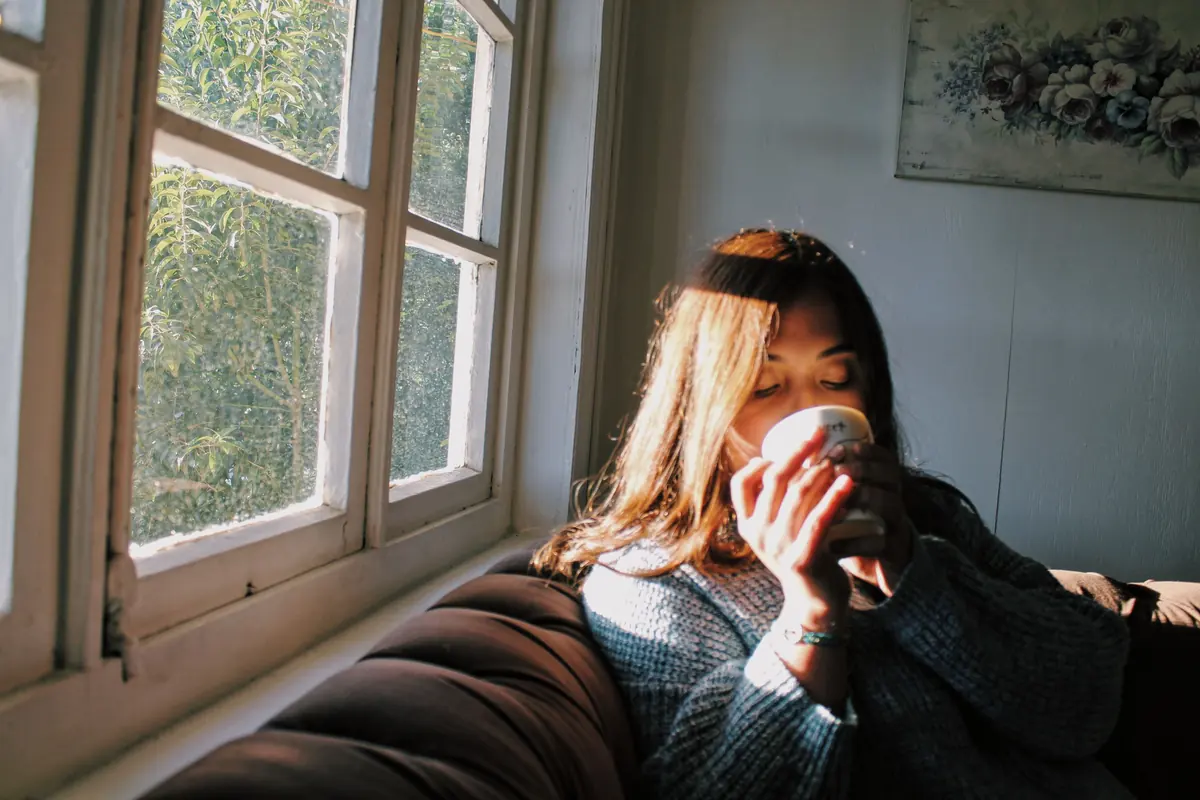

It usually lands in the first week of November. On the last Saturday of October, the National Research Council's sun calculator puts sunset in Vaughan a little after six. The clocks fall back overnight, and on Sunday the sun sets at about ten past five. By mid-November the sun is down before five, and you are leaving work in the dark, eating dinner in the dark, and wondering why the couch has started to feel like the only reasonable place to be.
For a lot of people that heaviness is the winter blues: real and unpleasant, but manageable. For some it is seasonal depression, a pattern of depression that arrives with the shorter days and lifts in spring, year after year. In October the two can feel alike, and they call for slightly different help.
Is it the winter blues or seasonal depression?
The difference is how much it takes from you. The winter blues dampen things without stopping them. Seasonal depression is depression: it lasts most of the day, most days, it gets in the way of work and relationships, and it comes back around the same time every year.
Both are common. The Canadian Mental Health Association estimates that two to three per cent of Canadians will experience seasonal affective disorder in their lifetime, and another 15 per cent will have a milder form that leaves them low but still able to get through their days.
Seasonal affective disorder, or SAD, is not a separate condition in the diagnostic manual clinicians use. It is described as depression with a seasonal pattern, which is also how Canada's CANMAT depression guidelines frame it. The label matters less than the question underneath it: is this getting in the way of your life, and does it keep coming back?
What does seasonal depression feel like?
Low mood is only part of it. The winter pattern has a recognizable shape, and the CMHA lists signs like these:
- Sleeping much more than usual, or sleeping badly, and waking up tired either way
- Craving sugary and starchy food, sometimes with weight gain
- A tiredness that makes ordinary tasks feel like hard work
- Pulling back from people and from things you usually enjoy
- Feeling irritable, tense, guilty or hard on yourself
- Feeling hopeless
The oversleeping and the cravings catch people out, because they are close to the opposite of what many expect depression to look like. It can look a lot like hibernation.
If your hard season runs the other way, with summer as the low point, that pattern exists too. We wrote about summer depression in July.
Why does fall hit some people harder?
The leading explanations centre on light. Shorter, dimmer days push the body's internal clock out of step with the day you are trying to live, and that shows up in sleep, energy and mood. The US National Institute of Mental Health (NIMH) notes that people with the winter pattern tend to have reduced serotonin and to produce too much melatonin, the hormone that makes you sleepy, which fits the oversleeping and the heaviness.
The clock change leaves the total daylight untouched and moves the dark end of the day into the hours most people spend commuting, making dinner, picking up kids and seeing friends. That is why early November often feels like a drop rather than a slope.
There is data behind that feeling. A Danish study of 185,419 hospital contacts for depression found that the switch from summer time to standard time was followed by an 11 per cent rise in new depressive episodes, which faded over about ten weeks. The spring switch showed no such effect. The researchers suggested the sudden early sunset, marking the start of a long run of short days, may explain it. It is one reason CAMH has long encouraged people to plan ahead as the clocks fall back instead of waiting to see how they feel.
Behaviour shifts with the light as well. Less time outside, less movement, more evenings in, fewer spontaneous plans. Each change is small. Together they quietly remove much of what keeps mood steady, which is part of how the season builds on itself.
Some people are more likely to be affected than others. NIMH notes that it is much more common in women, more common the farther from the equator you live, more common in people who already live with depression or bipolar disorder, and that it sometimes runs in families.
Do SAD lamps actually work?
For winter-pattern depression, yes, when the right kind of light is used in the right way. The 2023 CANMAT guidelines continue to recommend light therapy as a first-line option for seasonal (winter) depression. The usual approach is a light box rated at 10,000 lux, used for about 30 minutes in the morning.
A few cautions before buying one. The research is based on specific brightness and timing, so check a lamp's rating rather than its marketing. Light therapy is generally well tolerated, but the guidelines list side effects such as eye strain, headache, agitation and nausea. And it is not right for everyone: Cleveland Clinic advises checking with a provider first if you have bipolar disorder, diabetes or a retina condition, or take medication that makes you sensitive to light.
So talk it through with your family doctor, who can also check for other causes of low energy and discuss whether an antidepressant makes sense. As psychotherapists, we do not recommend devices or medication; those decisions belong with your physician. What we can offer is the part that light does not reach.
What can therapy add?
Light therapy works while you use it. Therapy aims at something that lasts after you stop.
That difference showed up in a 2016 trial in the American Journal of Psychiatry. Kelly Rohan and her colleagues compared cognitive behavioural therapy adapted for winter depression with light therapy in 177 adults. In the first winter after treatment, the two groups did about equally well. Two winters later, depression had come back for about 27 per cent of the therapy group, compared with about 46 per cent of the light therapy group.
The therapy in that trial was built on ideas that travel well. Plan activity on purpose, because waiting until you feel like doing things is a losing strategy in December. Notice the thoughts the season brings, such as dread about the months ahead, and test them instead of obeying them. Protect the routines that keep sleep and energy steady. These are the core moves of cognitive behavioural therapy in general, adjusted for the season.
How can you get ahead of it this year?
Plan in October, before the dark arrives: know your early signs, protect your mornings, keep your sleep steady and line up support before you need it. The most useful time to plan for winter is before it starts, which means now.
- Look back at last year. When did it start, what were the first signs, and what made it worse?
- Get outside in the morning when you can. Morning is when light therapy is used, and a walk in daylight, even grey daylight, costs nothing.
- Keep your wake-up time steady, weekends included.
- Put plans in the calendar now, while saying yes is still easy.
- Name your early warning signs, and tell one person what they are.
When is it more than the season?
Talk to your family doctor or a therapist if low mood or loss of interest has lasted most of the day, nearly every day, for two weeks or more, or if it is getting in the way of work, parenting or relationships. You do not have to wait until it is severe. You also do not need a referral to see a psychotherapist, and if you are not sure what to call what you are feeling, our how are you feeling guide starts from plain language.
If you are having thoughts of suicide, call or text 9-8-8 at any time to reach Canada's Suicide Crisis Helpline. If you are in immediate danger, call 911.
Seasonal depression: common questions
How do you know if you have seasonal depression?
Look at the pattern and the impact. If your mood, energy and interest drop around the same time each fall or winter and lift in spring, and the low stretch lasts most of the day on most days for two weeks or more, talk to your family doctor or a therapist. A doctor can also check for other causes of tiredness and low mood.
When does seasonal depression start, and when is it worst?
For the winter pattern, it usually starts in late fall or early winter and eases in spring. Many people notice the first dip in October or in the weeks after the clocks go back in early November. The shortest days come in December, but the timing varies from person to person, which is why your own history is the best guide.
How long does seasonal depression last?
Usually a season. NIMH describes symptoms lasting about four to five months of the year and easing as the days lengthen. Without support it tends to come back the following year, which is why planning ahead, and therapy that builds skills you keep, both matter.
Does seasonal depression make you tired?
Yes, very often. Oversleeping, a heavy, low-energy feeling and cravings for starchy food are hallmarks of the winter pattern, and NIMH links them partly to melatonin. Tiredness has plenty of other causes too, so mention it to your doctor if it is new or severe.
Does a lack of vitamin D cause seasonal depression?
It may play a part, but it is not the whole story. NIMH notes that vitamin D deficiency may worsen winter-pattern symptoms, while studies testing vitamin D as a remedy have had mixed results. Ask your family doctor whether testing or a supplement makes sense for you.
Who should not use a SAD lamp?
Anyone with bipolar disorder, diabetes or an eye condition such as a retina problem, or who takes medication that increases sensitivity to light, should check with a doctor first. Bright light can trigger hypomania or mania in people with bipolar disorder. Tanning beds are not a substitute for a light box.
Is seasonal depression a form of bipolar disorder?
Not necessarily. A seasonal pattern can come with depression on its own or with bipolar disorder, and NIMH notes it is more common in people with bipolar disorder, especially bipolar II. If you notice stretches of unusually high energy or little need for sleep in spring or summer, tell your doctor.
We offer therapy for depression in Woodbridge, Vaughan, Barrie and online across Ontario, and it is private and confidential. If winter tends to be your hard season, a free 20-minute consultation in October is a good way to have a plan in place before November does its usual work.