
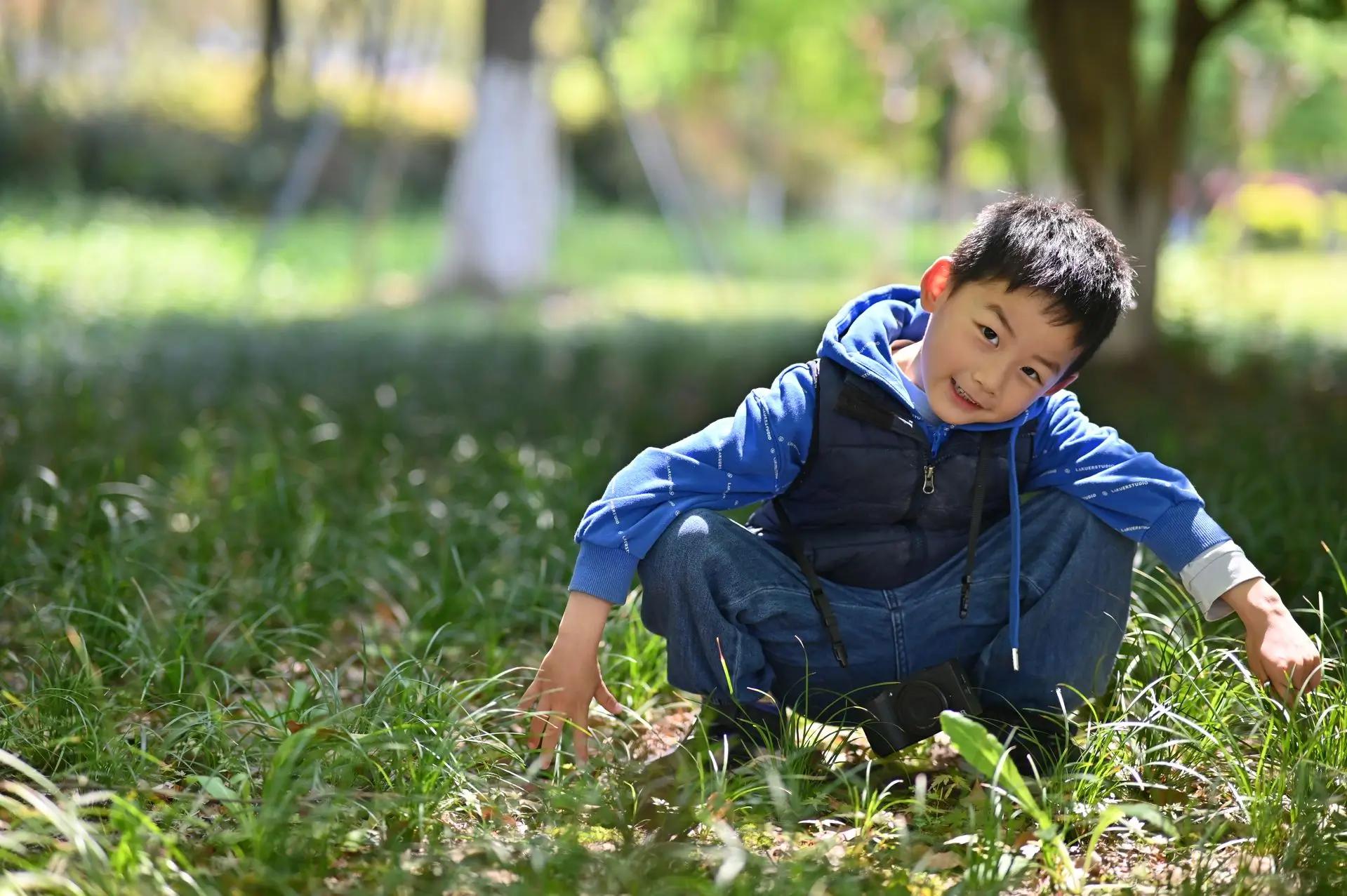
The last day of school is supposed to feel like freedom. No more homework, no more early alarms, no more packed lunches. For many kids and teens, it does feel that way, at least for the first week or two.
But for others, the end of the school year brings something unexpected: a quiet unravelling.
If your child or teenager seems more anxious, irritable, withdrawn, or emotionally volatile since school ended (or as the end approaches), you’re not imagining it. The shift from the school year to summer is one of the most underestimated transitions in a young person’s life, and it affects far more kids than most parents realize.
According to CMHA Ontario, approximately 1 in 5 children and youth in Ontario has a mental health challenge, and about 70% of those challenges have their onset before age 18. Summer, when the scaffolding of school falls away, is often when those challenges become most visible.
Why Structure Matters More Than We Think
During the school year, your child’s day has a built-in framework. They know when to wake up, where to be, what’s expected of them, and who they’ll see. That predictability isn’t just convenient. For many kids and teens, it’s stabilizing. It provides a sense of order that their developing brains rely on to manage emotions and navigate the social world.
When school ends, that scaffolding disappears overnight. Suddenly the days are unstructured, the social landscape shifts, and the routine that was quietly holding everything together is gone.
For kids who are naturally adaptable, this is no big deal. They find their rhythm. But for kids who are anxious, neurodivergent, socially struggling, or dealing with something they haven’t yet put words to, the loss of structure can feel genuinely destabilizing.
This is true for younger children, but it’s especially pronounced in teenagers. Teens are already navigating identity development, peer dynamics, and emotional intensity that can feel overwhelming on a good day. Take away the structure that was giving shape to all of that, and the summer can become a pressure cooker rather than a break.
What the Summer Transition Can Look Like
Every child is different, but here are some patterns we commonly see at InnerSight when the school year ends.
Increased anxiety. Your child might become more clingy, more worried about plans changing, or more reluctant to try new things. Teens might express it differently: avoiding social events, spending more time alone in their room, or seeming tense and on edge without being able to explain why.
Irritability and emotional outbursts. When kids and teens don’t have language for what they’re feeling, it often comes out as anger. If your child seems to be picking fights, snapping at siblings, or having meltdowns that feel disproportionate to the situation, it may be a sign that the transition is hitting harder than it looks.
Social withdrawal. The school year provides built-in social contact. Summer requires actively making plans, which is harder than it sounds for kids who are shy, socially anxious, or dealing with friendship difficulties. Some kids retreat into screens not because they’re addicted, but because it’s the only social space that feels safe.
Sleep disruption. Without a set wake-up time, sleep schedules drift. Late nights lead to late mornings, which lead to disrupted circadian rhythms, which feed into mood instability, low energy, and difficulty regulating emotions. It’s a cycle that compounds quickly.
Regression. You might notice behaviours your child seemed to have outgrown: bedwetting, separation anxiety, thumb-sucking, or needing to sleep in your bed. This isn’t a step backward. It’s a stress response. Their system is telling you it needs more support right now.
If you’re seeing several of these signs, it might be worth revisiting our earlier post on when your child might benefit from therapy for a broader framework.
The ADHD and Neurodivergence Factor
For children and teens with ADHD or other neurodivergent profiles, summer can be particularly challenging. These kids often rely heavily on external structure, and when it disappears, executive function struggles become more visible.
Your child might seem more scattered, forgetful, or disorganized than usual. They might struggle to start activities, follow through on plans, or manage their time without the school day doing it for them. And if ADHD hasn’t been identified yet, summer might actually be the season where the cracks become most visible, because the compensatory strategies that worked during the school year aren’t available.
If you’re an adult reading this and thinking “that sounds like me too,” our post on ADHD in adults might resonate. ADHD runs in families, and sometimes a parent’s own journey to understanding their brain starts with noticing patterns in their child.
What You Can Do as a Parent
You don’t need to solve everything. But there are practical things you can do to help your child or teen navigate the summer transition with more stability.
Create a flexible routine. This doesn’t mean scheduling every hour of the day. It means having anchors: a consistent wake-up time (within reason), meals at roughly the same times, a daily outdoor activity or physical movement, and a wind-down routine in the evening. The goal is predictability without rigidity.
Protect sleep. Letting bedtimes drift by an hour or so is fine. Letting them drift by three or four hours creates real problems. Sleep is the foundation of emotional regulation, and when it erodes, everything else becomes harder. Set a “screens off” time and keep it consistent, even when they push back.
Stay curious, not reactive. When your teen is being difficult, your instinct might be to correct the behaviour. But behaviour is communication. Instead of “stop being so rude,” try “you seem like something’s bothering you. Want to talk about it?” They might say no. That’s okay. The door is open.
Normalize their experience. “It makes sense that you’re feeling unsettled right now. A lot changes when school ends.” This kind of validation goes a long way. It tells your child that their feelings aren’t wrong or weird, they’re a normal response to change.
Watch for your own stress. Summer parenting is its own challenge. Managing childcare, coordinating schedules, dealing with “I’m bored” on repeat, all of it takes a toll. And your stress affects your kids. If you’re noticing that you’re more short-tempered than usual, that’s worth paying attention to. Our post on why spring feels harder than it should explored how seasonal transitions affect adults too.
When to Seek Professional Support
Not every summer struggle needs therapy. But some do, and the earlier you intervene, the easier it is.
Consider reaching out if your child’s anxiety or mood changes persist for more than a couple of weeks. If they’re withdrawing from activities or friendships they used to enjoy. If their sleep, eating, or emotional regulation has shifted significantly. Or if you simply have a gut feeling that something isn’t right.
At InnerSight Psychotherapy, our child and youth therapy is designed to meet young people where they are, using age-appropriate, evidence-informed approaches that help them develop coping skills, emotional awareness, and resilience.
We also offer a Parenting Teens Class (Sundays) for parents who want strategies and support from a professional, and Mental Health Day Summer Retreats that give kids and teens structured, therapeutic experiences during the break.
If the dynamic between you and your child is strained, family therapy can help both of you communicate more effectively and rebuild connection.
Frequently Asked Questions About Kids, Teens, and Summer Mental Health
Why does my child seem more anxious now that school is out?
School provides routine, social contact, and a sense of purpose. When that structure disappears, kids and teens who rely on predictability can feel unmoored. The loss of daily expectations and familiar social circles often triggers anxiety, even when the child seems to have nothing to “worry about.”
How much routine does my child need in summer?
They don’t need a rigid schedule, but they do benefit from anchors: a consistent wake-up time, regular meals, daily physical activity, and a wind-down routine before bed. Think predictability without rigidity. The goal is to give their day enough shape that they feel grounded.
Is it normal for teens to sleep all day in summer?
Some shift in sleep patterns is normal. But if your teen is regularly sleeping past noon, staying up until 3 a.m., and showing signs of low mood or withdrawal, that’s worth paying attention to. Sleep disruption and emotional regulation are deeply connected, especially in adolescence.
When should I consider therapy for my child in summer?
If your child’s mood, behaviour, or social engagement has shifted noticeably for more than two weeks, or if you’re seeing regression (returning to behaviours they’d outgrown), a conversation with a therapist can help you understand what’s going on. Summer is actually an ideal time to start therapy because there’s less academic pressure competing for their energy.
Can summer therapy help my child prepare for the fall?
Absolutely. Summer provides a window to build coping skills, emotional awareness, and resilience without the pressure of school. Many families find that starting therapy over the summer gives their child a stronger foundation heading into the new school year.
Summer Can Be a Window
Here’s the reframe: summer isn’t just a challenge. It’s an opportunity. With school out of the way, your child has time and space to work on the things that get pushed aside during the busy year. It’s a chance to start therapy without the pressure of homework and tests. It’s a chance to build skills that will carry them into the fall.
At InnerSight Psychotherapy, we offer a free 20-minute consultation where you can talk through your concerns and find out whether therapy might be the right step for your child or teen.
We’re in Vaughan, Woodbridge, and Barrie, with online sessions available across Ontario. Evening and weekend appointments are available.
Book your free consultation or call (905) 553-9507.
They don’t have to figure it out on their own. Neither do you. Believe in better.
